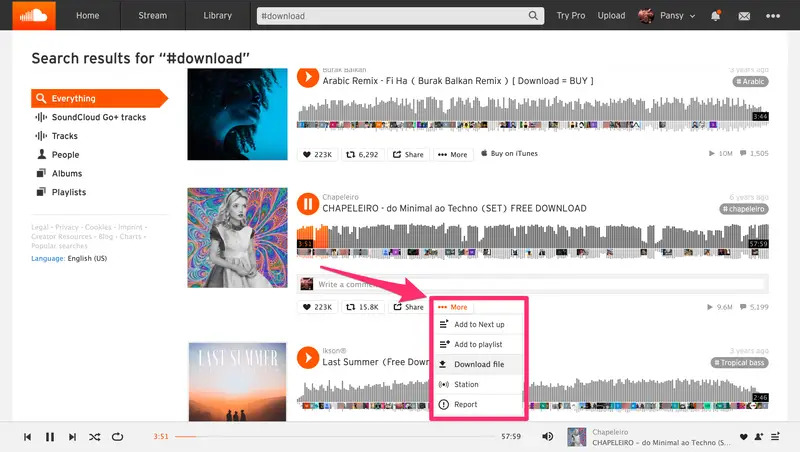
Choosing the right approach to downloading files from links safely starts with clear context, practical filters, and realistic expectations.
Introduction to Downloading Files from Links
Downloading files from links is a common practice, but it can also pose significant risks to your online security and device integrity. Every day, millions of people download files from various links, often without considering the potential consequences. This can lead to malware infections, data breaches, and other cybersecurity threats. Therefore, it's crucial to understand how to download files from links safely and efficiently.
Understanding the Risks of Downloading
Files from Links The primary risk associated with downloading files from links is the potential for malware infections. Malicious actors often embed viruses, Trojans, and other types of malware into downloadable files, which can compromise your device and steal sensitive information. Additionally, downloading files from untrusted sources can lead to copyright infringement, data breaches, and other legal issues. To mitigate these risks, it's essential to exercise caution and follow best practices when downloading files from links.
Choosing the Right Download Manager
A reliable download manager can significantly enhance your downloading experience and improve online security. Here are some popular download manager options:

- Internet Download Manager (IDM)
- Download Accelerator Plus (DAP)
- Free Download Manager (FDM)
- EagleGet
- uGet
When selecting a download manager, consider factors such as speed, reliability, and security features. A good download manager should be able to handle multiple downloads simultaneously, resume interrupted downloads, and protect against malware infections.
Best Practices for Downloading Files from Links To download files from links safely, follow these
best practices:
Verify the Source Ensure that the link comes from a trusted source, such as a reputable website or a known individual.
Be cautious of links from unknown or unverified sources, as they may contain malware or other security threats.
Check the File Type
Be aware of the file type you're downloading and ensure it's compatible with your device. Some file types, such as executable files (.exe), can pose significant security risks if not handled properly.
Use Antivirus Software Install and regularly update antivirus software to protect against malware infections.
Antivirus software can detect and remove malware from your device, reducing the risk of infection.
Common Mistakes to Avoid When Downloading Files from Links When downloading files from links, it's easy to make mistakes that can compromise your online security.
Here are some common mistakes to avoid:

- Downloading files from untrusted sources
- Ignoring file type warnings
- Disabling antivirus software
- Failing to update operating systems and software
By avoiding these mistakes, you can significantly reduce the risk of malware infections and other security threats.
Practical Examples of Safe Downloading
Safe downloading practices are essential in various scenarios, such as:
- Downloading software updates
- Sharing files with colleagues or friends
- Accessing public domain resources
In each of these scenarios, it's crucial to follow best practices and exercise caution to ensure safe and secure downloading.
Limitations and Workflow Tips
While downloading files from links can be convenient, there are limitations and workflow tips to consider:
- Be mindful of file size and bandwidth limitations
- Use a download manager to handle multiple downloads
- Prioritize downloads based on importance and urgency
By understanding these limitations and workflow tips, you can optimize your downloading experience and improve overall productivity.
Conclusion
Downloading files from links requires caution, attention to detail, and a thorough understanding of online security best practices.
By choosing the right download manager, following best practices, and avoiding common mistakes, you can significantly reduce the risk of malware infections and other security threats. Remember to always verify the source, check the file type, and use antivirus software to protect against malware infections.